2026 world football cup
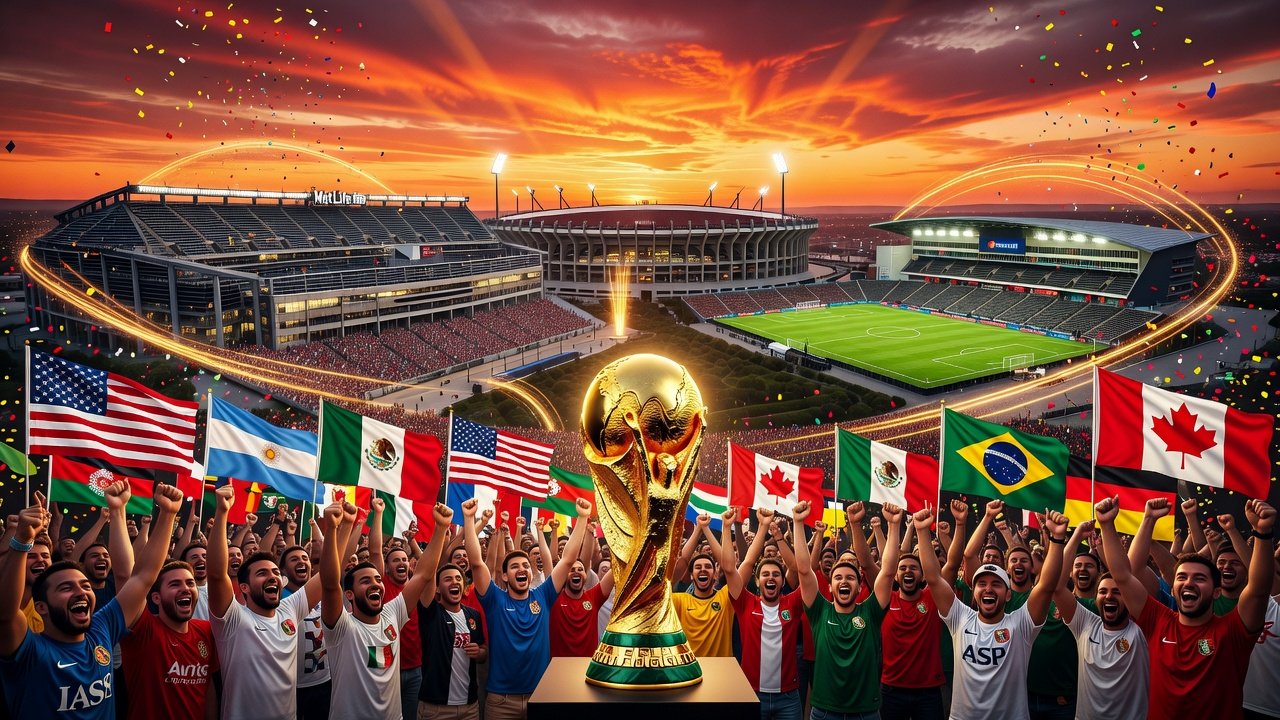
2026 FIFA World Cup: Everything You Need to Know About the Biggest Tournament Yet

The 2026 FIFA World Cup promises to be the largest and most ambitious edition in the tournament’s history. Co-hosted by the United States, Canada, and Mexico, the event will feature a record 48 teams and matches played across 16 iconic venues in North America. With expanded participation, new formats, and unprecedented global reach, the 2026 World Cup is set to redefine international football.

Host Nations and Venues

For the first time, three nations will jointly host the World Cup. The United States will stage 11 venues, while Mexico and Canada will each host three and two cities respectively. This tri-nation approach reflects football’s growing popularity across North America and aims to maximize fan accessibility.

Key venues include:

  • MetLife Stadium (New Jersey, USA) – Host of the final
  • SoFi Stadium (Los Angeles, USA)
  • AT&T Stadium (Dallas, USA)
  • Estadio Azteca (Mexico City, Mexico) – Returning for a record third time
  • BMO Field (Toronto, Canada)
  • Estadio BBVA (Monterrey, Mexico)

These stadiums combine state-of-the-art facilities with passionate football cultures, ensuring memorable atmospheres from group stage to final.

Expanded Format: 48 Teams, More Matches

The 2026 World Cup marks a major structural shift. FIFA increased the number of participating teams from 32 to 48. The new format features 12 groups of four teams, with the top two from each group plus the eight best third-placed teams advancing to a round of 32 knockout stage.

This expansion creates 104 matches in total—22 more than previous editions—giving smaller nations greater opportunities to compete on the global stage. It also extends the tournament duration to approximately 39 days, running from June 11 to July 19, 2026.

Key Dates and Schedule Highlights

The tournament kicks off on June 11, 2026, with matches spread across all three host countries. The opening game is expected to take place in Mexico City, honoring the nation’s deep World Cup heritage. The final will be held on July 19 at MetLife Stadium.

Important phases include:

  • Group stage: June 11 – June 29
  • Round of 32: June 30 – July 4
  • Round of 16: July 5 – July 8
  • Quarter-finals: July 9 – July 11
  • Semi-finals: July 14 – July 15
  • Third-place match and final: July 18 – July 19

Qualification Process

Qualification for the expanded field began in 2023 and will conclude in early 2026. UEFA receives 16 slots, CONMEBOL gets 6, AFC is allocated 8.5, CAF receives 9.5, and CONCACAF (as hosts) secures 6 automatic berths plus playoff spots.

The intercontinental playoffs will feature six teams competing for the final two places. This inclusive system ensures broader representation from every confederation, increasing global excitement and viewership.

Contenders and Early Predictions

Traditional powerhouses remain favorites. France, England, Brazil, and Argentina enter as top contenders, backed by deep squads and recent success. The United States and Mexico will benefit from home support and improved domestic leagues.

Emerging teams from Asia and Africa are expected to make stronger impacts due to the larger field. Nations like Japan, South Korea, Morocco, and Senegal could surprise in the knockout rounds. The expanded format reduces the chance of early elimination for underdogs, promising more upsets.

Economic, Cultural, and Legacy Impact

The 2026 World Cup is projected to generate billions in economic activity. Host cities anticipate major boosts in tourism, infrastructure investment, and job creation. Sustainability is a key focus, with FIFA emphasizing carbon reduction and legacy projects in each host nation.

Culturally, the tournament will showcase North America’s diverse football communities. From packed stadiums in Mexico to fan festivals in Canadian cities, the event aims to grow the sport’s footprint across the continent long after the final whistle.

Conclusion

The 2026 FIFA World Cup represents a new era for football. With more teams, more matches, and a tri-nation hosting model, it offers unprecedented opportunities for global participation and fan engagement. As the countdown continues, excitement builds for what promises to be the most inclusive and spectacular World Cup yet. Whether you’re a casual fan or a dedicated follower, 2026 will deliver unforgettable moments on and off the pitch.